Sibling Mentor Trainings
What is a Sibling Mentor?
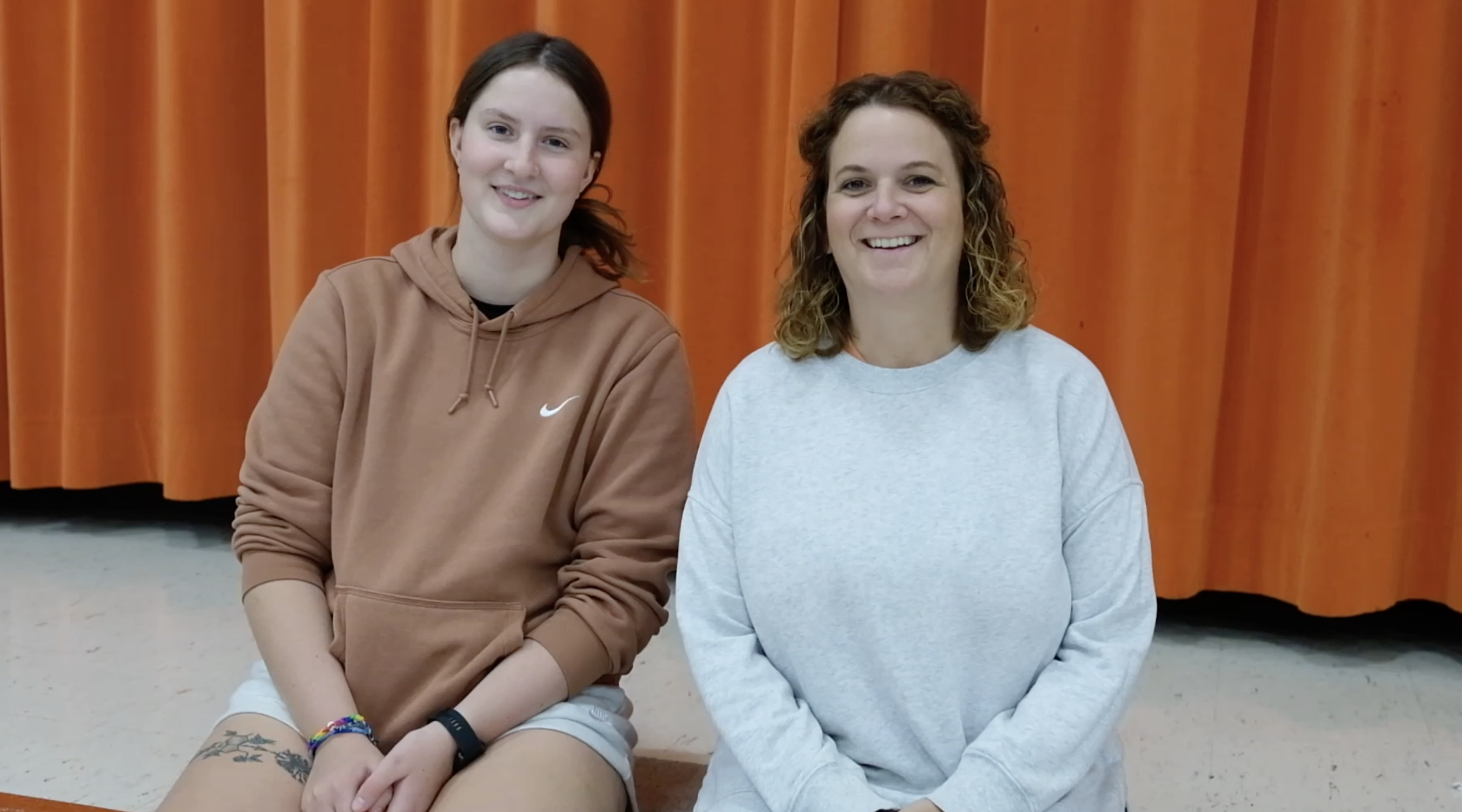
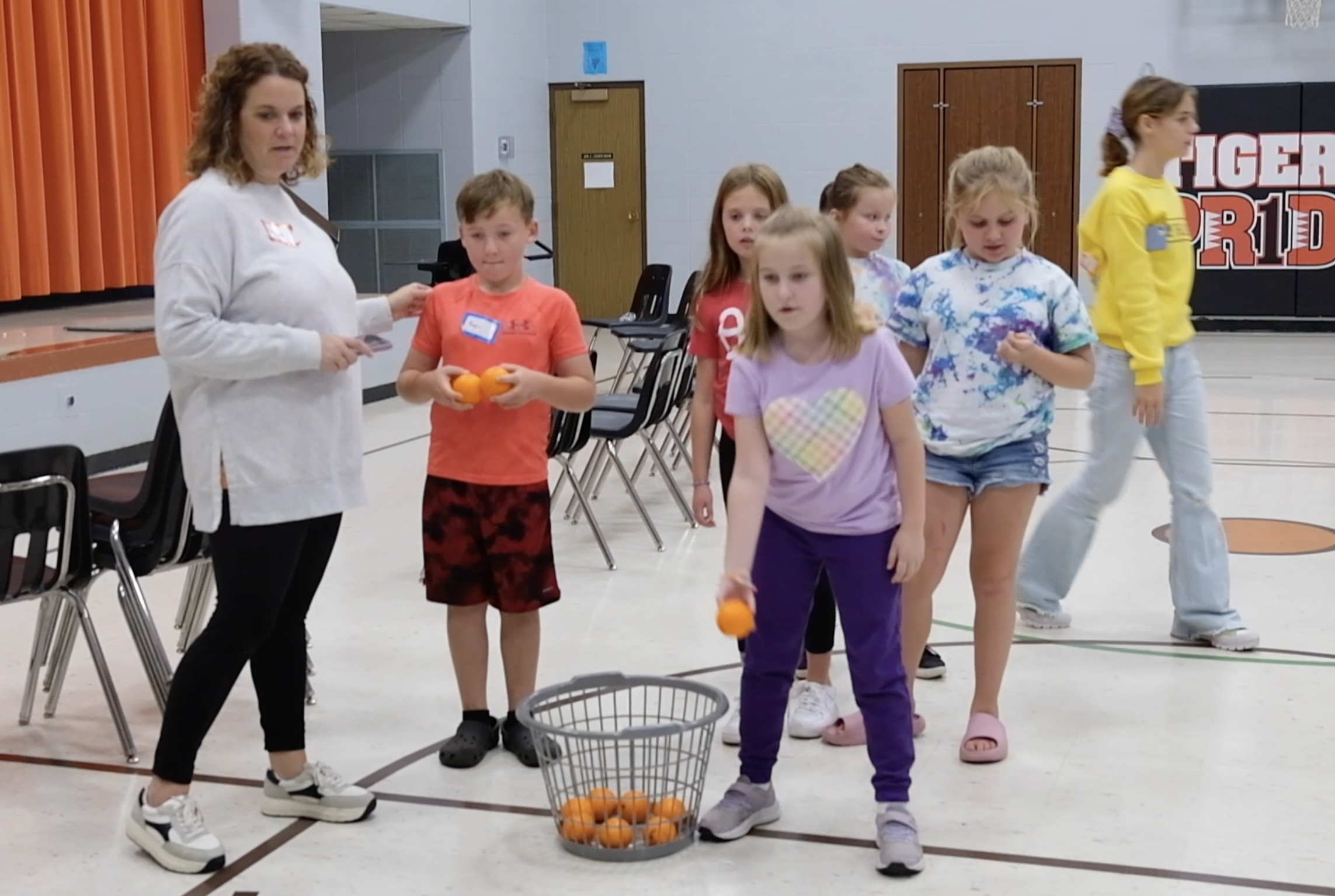
A Sibling Mentor provides activities, guidance, and opportunities for siblings to build friendships and strengthen relationships within a local Supporting SIBS Group.
Mentors understand the unique role siblings play within their families and help them navigate both the emotional and practical aspects of having a brother or sister with a disability.
They also share knowledge about the disability service system, helping siblings—and their parents—better understand supports for their family now and in the future.
All Sibling Mentors complete a DODD-certified training, ensuring they have the skills and knowledge to provide safe, supportive, and impactful mentorship.
Make a meaningful difference in the lives of siblings and their families
Help siblings build confidence, connections, and coping skills
Share your knowledge and experience to strengthen families and communities
Be part of a supportive network of advocates
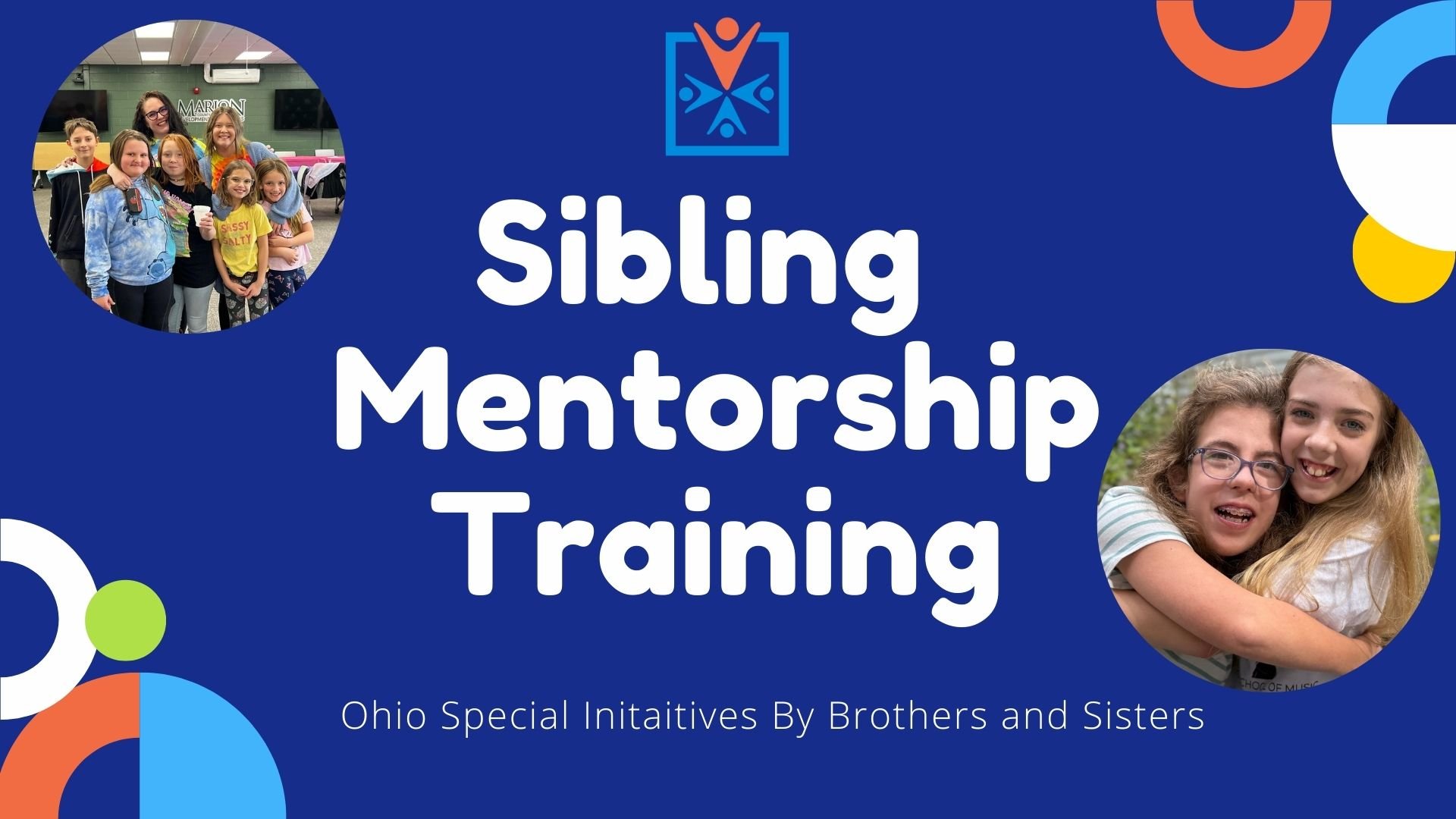
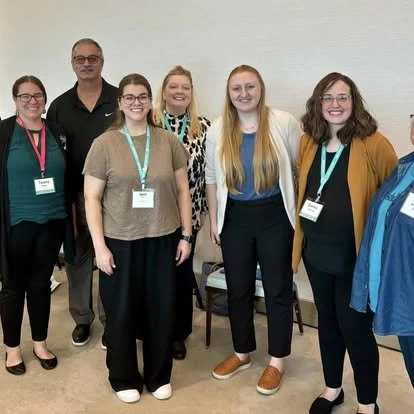
What is Sibling Mentorship Training?
The Sibling Mentor Training, offered through Ohio SIBS’ Supporting SIBS program, equips participants with the knowledge, tools, and curriculum needed to start and sustain sibling support programs in their local communities.
The training covers:
The sibling experience and understanding unique family roles
Best practices for group facilitation
Inclusion strategies and promoting belonging
Program setup and support
How to partner effectively with families and county boards
After training, mentors receive ongoing assistance and support to ensure they feel confident, prepared, and supported in their role.
Sibling Mentor Training
Join us to become a Sibling Mentor Today
The Sibling Mentor Training, offered through Ohio SIBS’ Supporting SIBS program, equips participants with the knowledge, tools, and curriculum needed to start and sustain sibling support programs in their local communities.
The training covers:
The sibling experience and understanding unique family roles
Best practices for group facilitation
Inclusion strategies and promoting belonging
Program setup and support
How to partner effectively with families and county boards
DODD Certified training
After training, mentors receive ongoing assistance and support to ensure they feel confident, prepared, and supported in their role.
Sibling Mentor Training
Attend the Sibling Mentor Training'
Sign-up Here: Attend the Feb 17th Training at Knox County Board of DD
What Is Sibling Mentor Training?
Sibling Mentor Training is a core component of Supporting SIBS, a statewide program led by Ohio SIBS to connect, educate, and empower siblings of individuals with disabilities. Through Supporting SIBS, Ohio SIBS partners with County Boards of Developmental Disabilities to ensure siblings across Ohio have access to consistent, high-quality support in their local communities.
A Sibling Mentor is a trained individual who facilitates activities, provides guidance, and creates safe, supportive spaces for siblings of people with disabilities. Sibling Mentors also develop an understanding of the disability system and help siblings navigate services, resources, and common challenges in age-appropriate ways for kids.
Sibling Mentor Training equips participants with the knowledge, tools, and curriculum needed to start and sustain sibling support programs in their local communities. The training covers the sibling experience, best practices for group facilitation, inclusion strategies, boundaries and confidentiality, and how to partner effectively with families and county boards. Ongoing technical assistance and support are provided after training to ensure mentors feel confident and supported in their role.
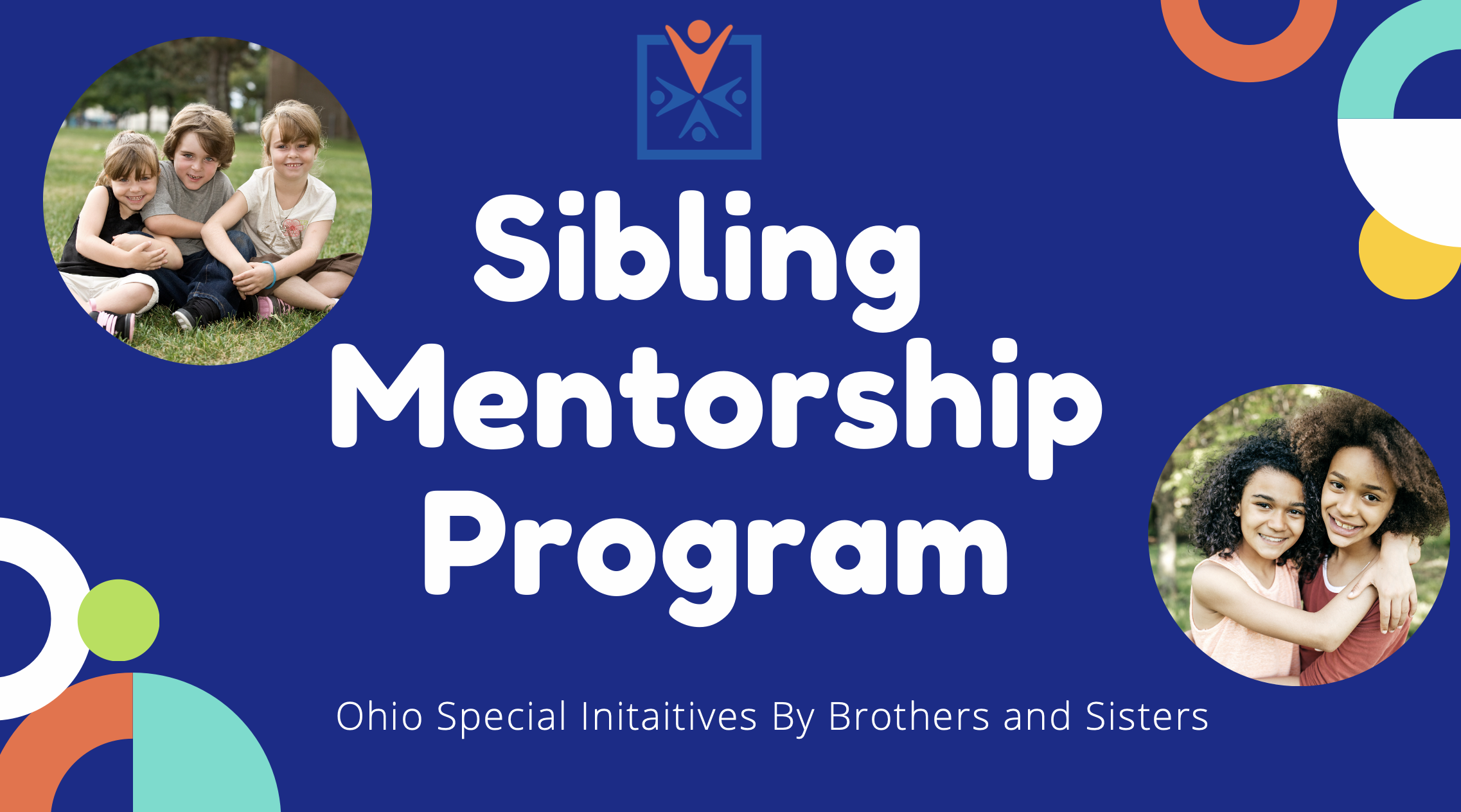
October - Sibling Mentor Training
A Sibling Mentor is a person that provides activities, guidance, and opportunities to siblings of people with disabilities other than their parents. They also hold knowledge about the disability system and can help siblings navigate or understand it.